Contract Manufacturing · 5 min read · Published 2026-11-17
Third-Party Bottled Water Manufacturing Explained
Why established Indian beverage brands and institutional suppliers use third-party manufacturing to lower freight costs, expand regionally, and manage seasonal demand spikes.
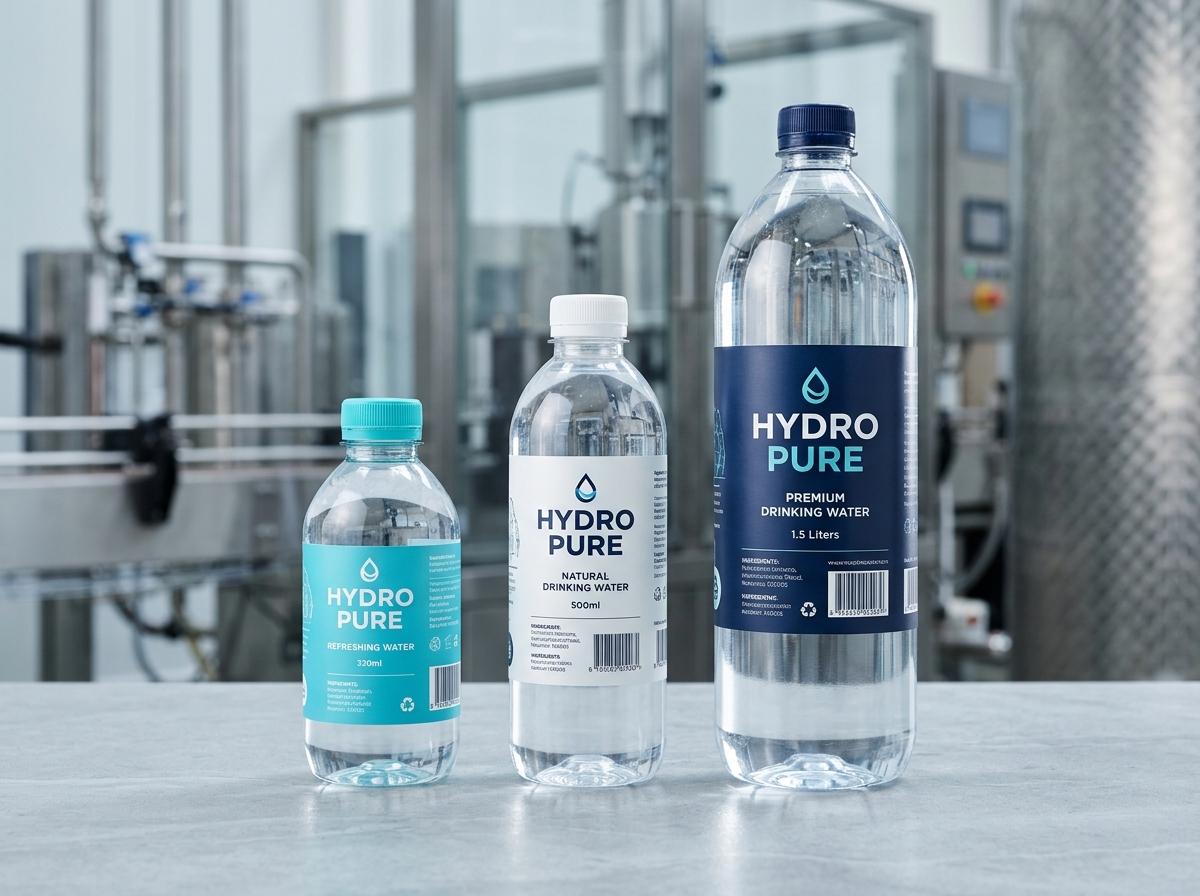
Why Freight Economics Drive Third-Party Bottling in India
Bottled drinking water has a high weight-to-value ratio. Transporting filled cases across multiple states from a single centralized plant rapidly inflates landed cost per bottle. Established brands solve this by contracting regional third-party manufacturers positioned near key demand corridors—such as Hyderabad for Telangana and South Indian distribution.
Third-Party Manufacturing vs. Private Label vs. Co-Packing
While these terms overlap in everyday B2B searches, purchase managers usually distinguish them by commercial stage:
- Private-label manufacturing supports businesses creating or launching a house-branded water line under their own trademark.
- Third-party manufacturing supports existing brand owners expanding production capacity or geographic reach through a contract bottling partner.
- Co-packing focuses specifically on executing filling, sealing, labelling, and outer packaging strictly to the client’s specification sheet.
Essential Clauses in a Third-Party Manufacturing Engagement
Before starting contract production, both parties should document packaging specifications (PET or glass weight and dimensions, cap coordination, label substrate), batch volume commitments, quality and compliance documentation (FSSAI and GST), dispatch responsibility (ex-works vs. delivered), and trademark/artwork confidentiality.